
banner468
Basic Facts About Lymphoma
15:46
Lymphoma is a type of cancer that occurs in our lymphatic system. Lymphatic system is a network of small vessels and tissues spaces that circulates fluid called lymph throughout the body. Our lymphatic system consists of organs, ducts, bone marrow, spleen, tonsils and lymph nodes.
Lymphoma usually originates in the lymph nodes located all around the body, but they can also develop around lymph tissue that does not form distinct nodes. When lymph cancer develops in lymph nodes or lymph tissues, cells in the lymphatic system replicates abnormally.
Lymphomas are grouped into two major categories: Hodgkin's disease (HD) and non-Hodgkin's lymphoma (NHL).Hodgkin's disease tends to origin from lymph nodes and is found most commonly in younger adults while non-Hodgkin's disease can spread beyond the lymphatic system and occurs mostly in middle aged or elderly people.. These two major types of lymphoma are further divided into several subtypes. Diagnosis of lymphoma is usually done by biopsy of lymph nodes.
Lymph nodes affected by lymphoma appear prominently enlarged and disfigured. They may be stiff and have appearance similar to that of fish flesh. In extremely rare cases they are rock hard and they may show areas of cellular deaths (necrosis). Patients with lymphoma may have painless swellings of lymph nodes in the neck, underarm and/or groin. Some patients, especially those with Hodgkin's disease shows symptoms such as fever, night sweats, malaise fatigue, weight loss and itchy skin.
The treatment of lymphoma depends on the type of lymphoma diagnosed and also on the stage of the cancer, its location, the extent of symptoms and the physical condition and health of the patients. Radiotherapy is a preferred treatment for patients with both types of lymphoma. The other treatment options include chemotherapy, bone marrow or stem cell transplants, radio immunotherapy or biologic therapy.
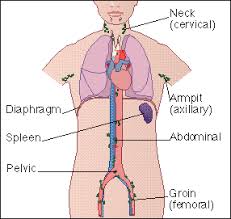
Non-Hodgkin's lymphoma (NHL) is diverse group of cancers of lymphatic system which is part of human immune system. The lymphatic system includes lymph vessels, lymph nodes, lymph, tonsils, thymus and spleen. Non-Hodgkin's lymphoma is most commonly detected in older adults in the age groups of 60s and 70s.
There are no known causes for development of non-Hodgkin's lymphoma however medical experts believe that disorders in immune system and older age may increase your chance of having the disease. Research is going on all the time to try to find out other causes that led to the development of this disease.
The following risk factors may increase your chance of acquiring this disease:
Being Male: Non-Hodgkin's lymphoma is more common in males than in women.
Age: Though NHL can occur at any age but risk increases as ones age progresses. It is most commonly found in people above 60 years of age.
Past cancer treatment: Past cancer treatment can affect your risk of NHL two-fold. Some chemotherapy drugs can increase your risk of getting NHL 10 to 15 years after treatment. Having radiotherapy in the past also increases your risk of acquiring NHL.
Weakened immune system: NHL is most commonly found in those people whose immune system does not work properly. These include HIV and AIDS patients. It also occurs among those people who take medicines that impair the immune system following an organ transplant.
Viral infection: Infection with virus called 'Human T cell Lymphoma virus 1 (HTLV1), hepatitis's C, and Epstein-Barr Virus increase the risk of developing NHL.
Bacterial infection: The bacteria called "Helicobacter pylori" increases the risk of Lymphoma called MALT (mucosa associated lymphoid tissue) lymphoma. This type of lymphoma is usually located in stomach lining.
Environmental Exposure: Exposure to insecticide and pesticide, solvents, rubber processing, asbestos, arsenic, nuclear waste and fertilizers increases the risk of developing NHL.


2008 - 2009 SimplexDesign. Content in my blog is licensed under a Creative Commons License.
- SimplexPro template designed by Simplex Design.
- Powered by Blogger.com.